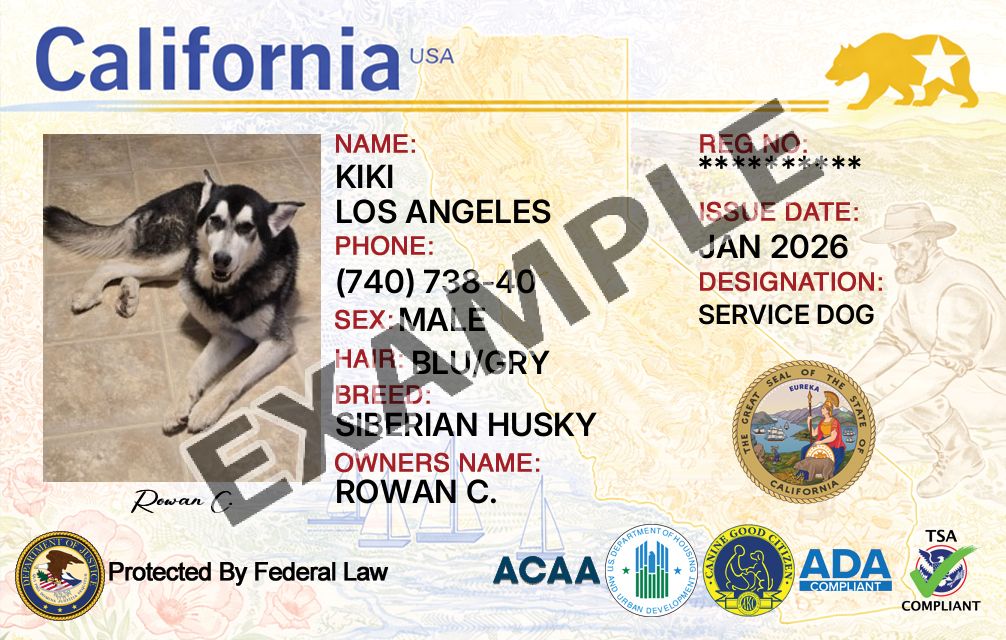
Where Do I Register My Dog in California for My Service Dog or Emotional Support Dog?
If you’re searching where do I register my dog in California for my service dog or emotional support dog, the most important thing to know is this: California generally does not have one statewide “service dog registration” or “emotional support dog registry” that makes your dog legally recognized. Instead, what most people mean by “register” is getting a dog license in California—and that’s typically handled by your local city or county animal services/animal control office. Licensing is closely tied to rabies vaccination and local ordinances, and it applies to pet dogs, service dogs, and emotional support animals alike.
- A dog license is a local government record/permit for dogs in a city or county (often enforced by animal control).
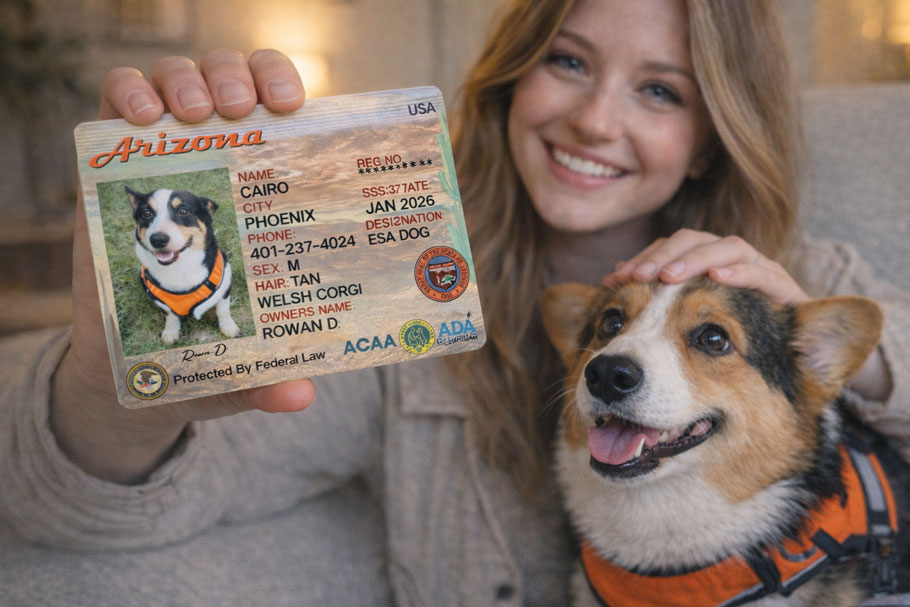
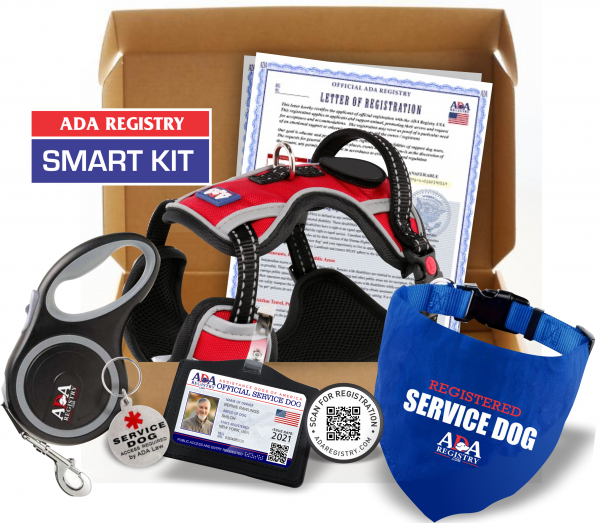
- A service dog’s legal status comes from the dog being trained to perform tasks related to a disability—not from a paid “certification,” vest, or online registry. (See ADA guidance.)
- An emotional support animal (ESA) is generally a housing-related concept under fair housing rules; an ESA is not a service animal under the ADA for public access.
Where to Register or License Your Dog in California
Because California dog licensing is usually handled locally, you’ll typically register (license) your dog through your city or county animal services, animal control, or a related local department. Below are several example official offices you can contact for an animal control dog license California question. If you live outside these areas, look up your own city/county animal services department and ask where to obtain a dog license.
Los Angeles County Department of Animal Care & Control — Downey Animal Care Center
- Address: 11258 South Garfield Avenue
- City/State/ZIP: Downey, CA 90242
- Phone: (562) 940-6898
- Email: downeyctaip@animalcare.lacounty.gov
- Office hours: Monday–Saturday 11:00am–5:00pm; Sundays & Holidays: limited services
County of San Diego Department of Animal Services — South County Animal Shelter
- Address: 5821 Sweetwater Road
- City/State/ZIP: Bonita, CA 91902
- Phone: (619) 767-2675
- Office hours: Tuesday–Sunday 9:30am–5:30pm; Closed Mondays and County holidays
San Francisco Animal Care & Control
- Address: 1419 Bryant Street (at Alameda)
- City/State/ZIP: San Francisco, CA 94103
- Phone: (415) 554-6364
- Email: acc@sfgov.org
- Office hours: Closed Mondays; service appointments Tuesday–Sunday 8:30am–5:00pm
San Bernardino County Animal Care — Devore Animal Shelter
- Address: 19777 Shelter Way
- City/State/ZIP: San Bernardino, CA 92407
- Phone: (909) 386-9820
- Office hours: Not listed in the official venue page referenced
Overview of Dog Licensing in California
Dog licensing is usually a local requirement (not one statewide registration portal)
In everyday terms, a “registration” is usually your dog license in California. While California state law sets important public health rules (especially around rabies control), the actual license is typically issued by a responsible city or county through an ordinance and collected by local animal services, a tax/treasurer office, or a contracted animal control agency. That’s why the best answer to where to register a dog in California is: start with your local animal services/animal control.
Rabies vaccination and licensing are connected
California’s rabies control law ties licensing to local rules and public health enforcement. In rabies areas, the law states that dog owners, after the dog reaches four months, must secure a license for the dog as provided by the responsible local ordinance (city, city and county, or county). (law.justia.com)
Does a service dog or ESA still need a license?
In most places, yes: service dogs and ESAs still follow local licensing and vaccination rules. Government guidance on service animals also emphasizes that handlers must adhere to local laws for licensing and vaccinations. (dor.ca.gov) So even if your dog is a service dog, you generally still obtain the same local dog license—often with potential fee reductions depending on the jurisdiction. (Fee waivers and special tags vary by county/city; ask your local licensing office.)
How Dog Licensing Works Locally in California
Step-by-step: a typical licensing process
- Confirm which agency handles your area. Your city may issue licenses directly, or your county animal services may handle it, especially for unincorporated areas and contract cities. (This is why “animal control dog license California” searches often point to county animal services.)
- Get rabies vaccination from a veterinarian and keep a copy of the certificate. Local licensing offices commonly require proof of current rabies vaccination.
- Submit a license application (online, by mail, or in person—varies by jurisdiction).
- Pay the licensing fee (often different for altered vs. unaltered dogs; some places have senior/assistance animal-related policies).
- Receive your tag and keep it on your dog’s collar as required by local ordinance.
Why your city/county requires a license
Local licensing programs help fund animal services and support public health enforcement related to rabies, bites, and stray animals. A dog license can also make it easier to reunite lost dogs with owners because the tag/license number can be traced back to the licensing record.
What if you live in a contract city vs. unincorporated county?
This is a common source of confusion. For example, a county department may provide animal control and licensing for unincorporated areas, while certain incorporated cities may operate their own programs or contract with the county. If you’re unsure, call the closest county animal services shelter and ask: “Do you issue licenses for my address, or does my city?”
Service Dog Laws in California
There is no universal “service dog registration” that creates legal status
Under federal ADA guidance, service animals are dogs that are trained to perform tasks directly related to a person’s disability. The ADA also explains that service animals are not required to be certified, professionally trained, or wear a vest/ID. California’s Department of Rehabilitation similarly states that registration or certification is not required and that handlers must follow local licensing and vaccination rules. (dor.ca.gov)
Public access vs. licensing: two different concepts
A dog license is a local government requirement (like a permit/record). A service dog is about public access rights and nondiscrimination—whether the dog is trained for disability-related tasks. Licensing does not “make” a dog a service dog, and a dog being a service dog does not automatically replace local licensing requirements.
What businesses can ask (general guidance)
ADA guidance explains that staff are limited in what they can ask about a service animal, focusing on whether the dog is required because of a disability and what work or task the dog has been trained to perform. (ada.gov)
Emotional Support Animal Rules in California
ESAs are not service animals under the ADA
If your dog provides comfort by its presence but is not trained to perform a specific disability-related task, ADA guidance says that is not a service animal for public access purposes. This matters because an ESA generally does not have the same “go anywhere the public can go” access under the ADA that a trained service dog can have.
ESAs are commonly addressed in housing (assistance animals)
HUD describes an “assistance animal” as an animal that works, provides assistance, performs tasks for a person with a disability, or provides emotional support that alleviates one or more identified effects of a person’s disability. HUD also states that an assistance animal is not a pet, and that people may request a reasonable accommodation to keep such an animal despite pet restrictions. (hud.gov)
Licensing still applies
Even if your dog is an ESA for housing purposes, your local jurisdiction may still require a standard dog license and rabies vaccination compliance. Think of it this way: housing accommodation is separate from animal control licensing.
Frequently Asked Questions
- Dog license: A local government license/record for dogs (often enforced by animal control), commonly tied to rabies vaccination compliance.
- Service dog: A dog trained to do work or perform tasks directly related to a person’s disability; not required to be registered or certified.
- Emotional support animal (ESA): An animal that provides emotional support that alleviates effects of a disability; often relevant in housing as an “assistance animal,” but not a service animal for ADA public access. (hud.gov)
Disclaimer
Licensing requirements and office locations may change. Residents should verify details with their local animal services office within California.